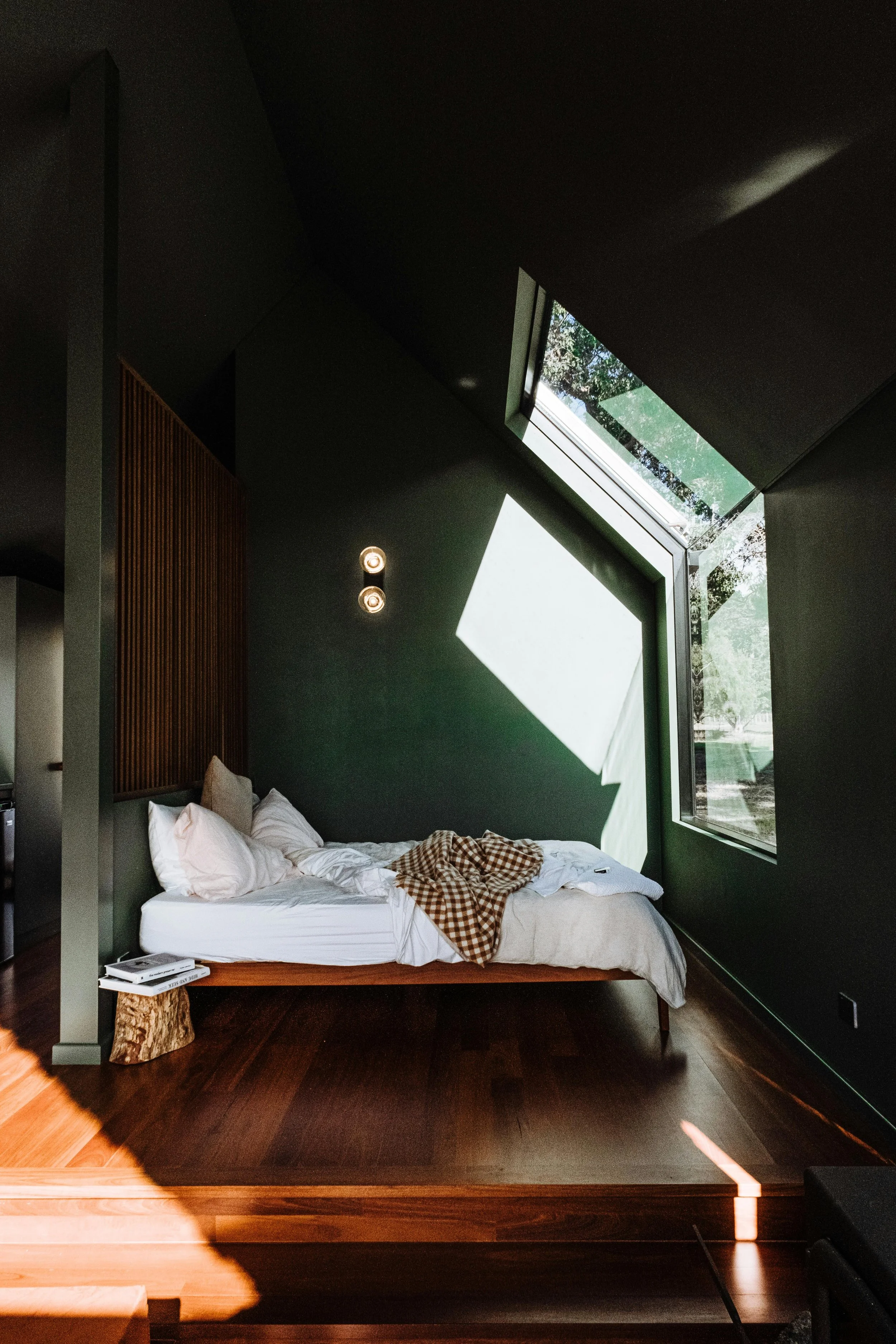
Is there anything more frustrating than feeling completely exhausted, only to lie awake in bed staring at the ceiling? Or maybe you fall asleep fine, but consistently wake up in the middle of the night, your mind suddenly racing. If you’ve ever felt like your body is on high alert when it should be winding down, it's not a coincidence. This is often a sign of a deeper hormonal imbalance.
It all comes back to your incredible adrenal glands and your body's master stress hormone, cortisol.
Cortisol has a natural, beautiful rhythm. It's supposed to be highest in the morning to give you the energy to start your day, and it should gradually fall to its lowest point in the evening, signaling to your body that it's time to rest. This is a core part of your body's natural circadian rhythm.
However, chronic stress—the kind that comes from a packed schedule, emotional strain, or even poor diet—can disrupt this delicate dance.
When your adrenals are constantly in "fight or flight" mode, they pump out cortisol all day long, keeping your nervous system on high alert. The result? You're "tired but wired" at bedtime, your mind won't shut off, and you wake up at 2 AM with a jolt, unable to go back to sleep.
You do have the power to help your body rediscover its natural rhythm. It’s not just about getting more sleep; it’s about getting smarter sleep.
Simple Shifts for a More Restful Night
Go to Bed and Wake Up at the Same Time: Your body loves rhythm. A consistent sleep-wake schedule—even on weekends—trains your body to expect sleep at a certain time, helping to regulate your internal clock.
Embrace the Morning Sun: Getting full-spectrum light exposure upon waking is a powerful way to regulate your cortisol curve. It tells your body that the day has begun, which helps it prepare for a proper wind-down later. Step outside for a few minutes or simply sit by a sunny window.
Ditch the "Nightcap": While a glass of wine might seem like a shortcut to sleep, it can actually disrupt your sleep cycle later in the night. Studies show that alcohol can keep you away from the deep stages of sleep. It's best to avoid alcohol, as well as caffeine, for a few hours before you go to bed and to hydrate well.
Create a Sleep Sanctuary: Make your bedroom an oasis for sleep. Keep it cool, dark, and quiet. Even a small amount of light can interfere with melatonin production. Using blackout curtains or an eye mask can make a huge difference. If you’re doing all the right things and still struggling, it's a sign that your body needs a deeper, more personalized approach. This is where a holistic health protocol can be a game-changer.
Live.Love.Give with DALIA